
A damp and mould survey from Lansdown Associates tells you what is causing the damp or mould in a property, how serious it is and what needs to be done about it. Our RICS Chartered Building Surveyors assess the building fabric, moisture levels, ventilation, heating and thermal performance, then give you a written report with photographs, a risk rating and prioritised recommendations. We are independent: we do not sell damp-proofing or remedial works, so our advice is based only on the evidence.
We carry out damp and mould surveys for social landlords, private landlords, managing agents, solicitors, homeowners and commercial occupiers across London, Birmingham, Liverpool, Manchester, Leeds and Northern Ireland. Based in Liverpool? See our damp surveys in Liverpool.
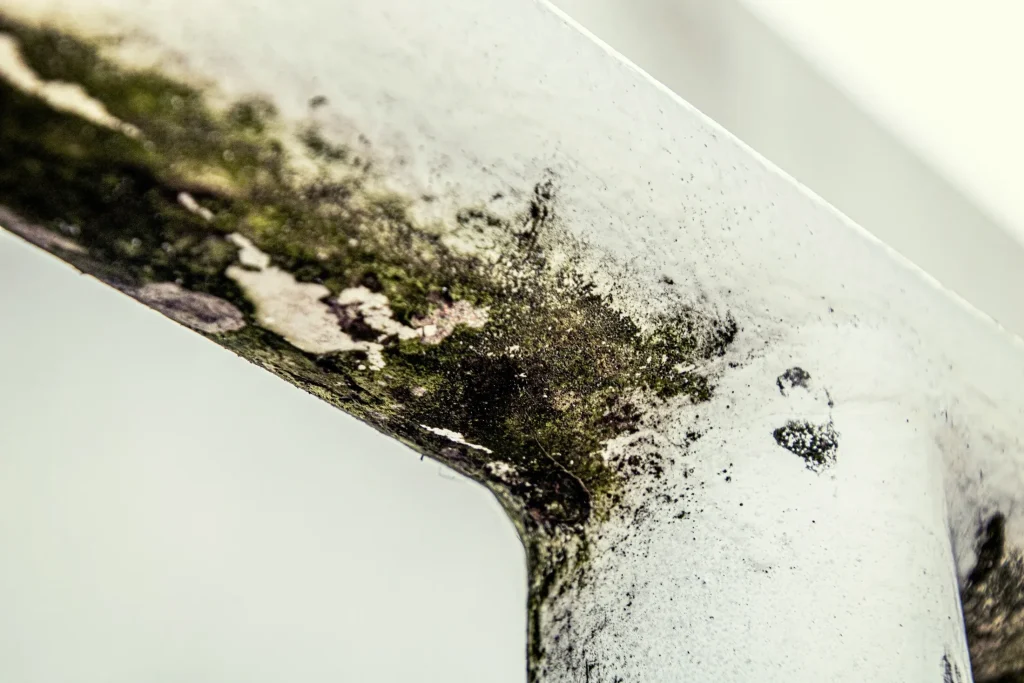
Damp and mould are symptoms, not causes. Before you pay for treatment, redecoration or building work, find out where the moisture is coming from.
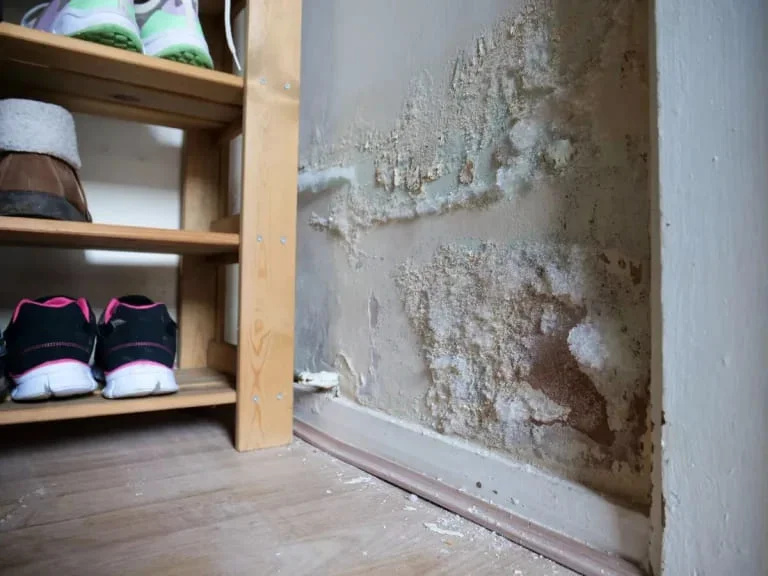
A survey may be worthwhile if you notice any of the following:
Different causes of damp can produce very similar symptoms. A damp patch at the base of a wall may be attributed to rising damp when the source is condensation, a leak or raised ground outside. Hand-held moisture meters, which are calibrated for timber, can also give high readings on dry masonry that contains salts. The priority is therefore to identify the source of excess moisture, whether the ground, rainwater, internal humidity or a leak, before any remedy is specified. If you have been advised that you need injection treatment, read do I need a new damp proof course? first, and see our guide to how the main types of damp differ.
Awaab’s Law was introduced to strengthen legal protections for social housing tenants living in properties affected by serious hazards, particularly damp and mould. The legislation was developed following the tragic death of two-year-old Awaab Ishak in December 2020, who died from a severe respiratory condition linked to prolonged exposure to mould within his family’s social rented home in Rochdale. His death exposed failures in how housing hazards were identified, reported and put right, and showed that landlords needed to be more accountable.
The law gives social landlords a legal duty to investigate and put right qualifying hazards within set timescales. Their usual complaint and repair procedures are no longer enough on their own. For landlords, that means regular inspections, an accurate diagnosis of each defect, good records and repairs completed on time, with tenants’ health and safety coming first.
Awaab’s Law was introduced by the Social Housing (Regulation) Act 2023 and brought into force by the Hazards in Social Housing (Prescribed Requirements) (England) Regulations 2025. Earlier proposals of 14 days to investigate and a further 7 days to repair were not adopted. The rules in force since 27 October 2025 for damp and mould and all emergency hazards are:
| Requirement | Timescale |
|---|---|
| Emergency hazards – investigate and complete safety work | Within 24 hours of becoming aware |
| Significant hazards – investigate | Within 10 working days of becoming aware |
| Written summary to the tenant | Within 3 working days of the investigation concluding |
| Relevant safety work | Within 5 working days of the investigation concluding |
| Supplementary preventative work | Begin (or take steps to begin) within 5 working days, or within 12 weeks where that is not reasonably practicable |
If a home cannot be made safe in time, the landlord must offer suitable alternative accommodation at its own cost. From 30 November 2026, Phase 2 extends the rules to excess cold and excess heat, falls, structural collapse, fire, electrical, explosions and domestic hygiene hazards. Phase 3 in 2027 will cover the remaining HHSRS hazards except overcrowding.
Awaab’s Law currently applies to social landlords in England. The Renters’ Rights Act 2025 contains powers to extend it to private rentals, but no start date has been confirmed. Read our introduction to what Awaab’s Law means for landlords, the official Awaab’s Law guidance for social landlords, or see our Awaab’s Law surveys for social landlords.
Dampness within residential property can arise from a number of sources, and accurate diagnosis is essential to determine the appropriate remedial solution. The principal forms are penetrating damp, rising damp, condensation and plumbing-related moisture ingress. A surveyor’s first job is to find the underlying cause, because repairs aimed only at the visible symptoms are rarely proportionate and seldom last.
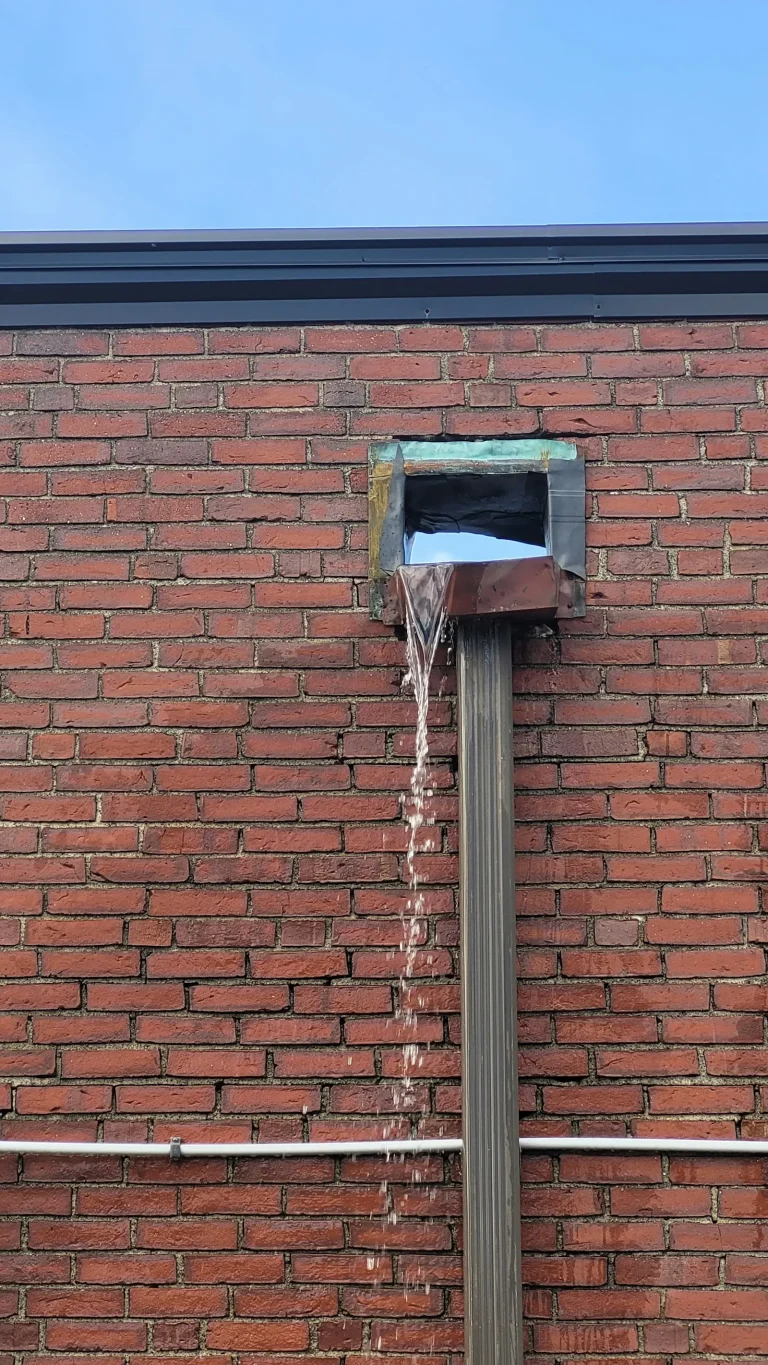
Penetrating damp typically results from defects to the building envelope. Common causes include:
Damp that appears or worsens in wet weather often indicates penetrating damp; our guide to damp patches after rain explains the usual causes.
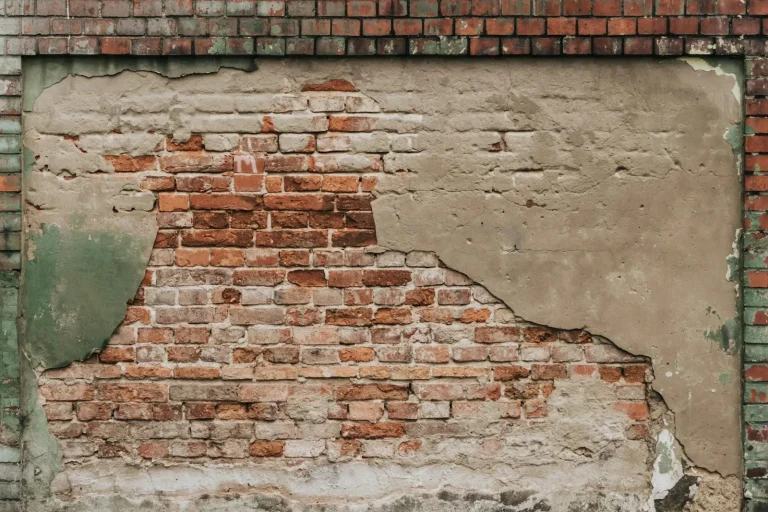
Rising damp occurs where moisture from the ground is drawn upwards through porous masonry. Contributing factors commonly include:

Condensation usually results from high indoor humidity, poor ventilation, too little heating and cold surfaces, particularly at thermal bridges. The survey considers:
Our article on relative humidity and condensation explains the science.
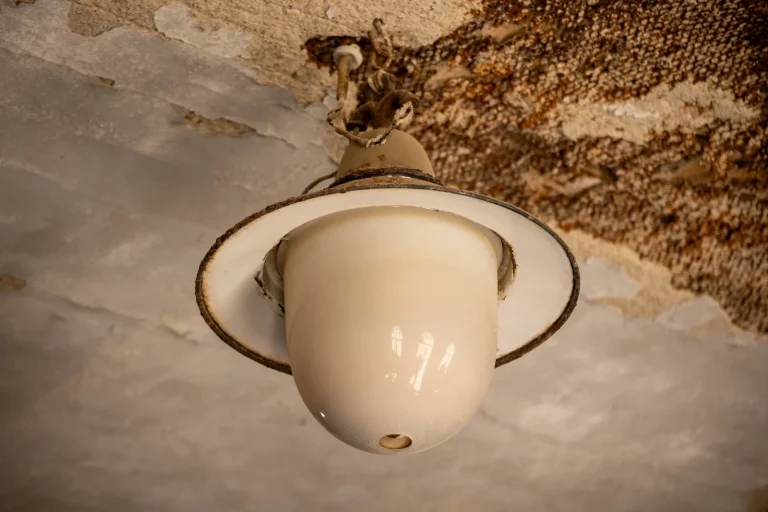
Dampness may also result from leaking or defective plumbing and drainage installations. Concealed leaks may not be visible, and thermal imaging and moisture mapping can help to locate them.

Many older properties, including Victorian and Edwardian houses, have solid masonry walls and lime mortars and plasters that absorb and release moisture. Later cement render, cement repointing, gypsum plaster, impermeable paints or raised external ground can trap moisture in the wall. The absence of a modern damp-proof course does not in itself mean that a building has rising damp. Our guide to damp in older houses explains why these buildings need a different approach.
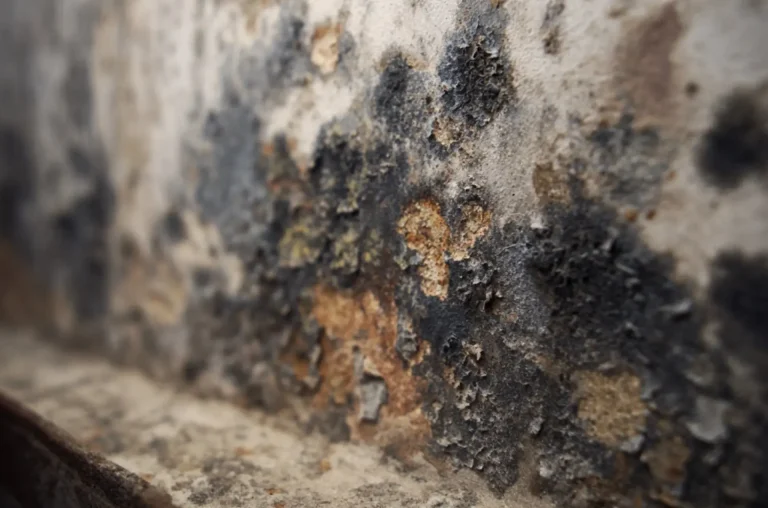
Mould growth within residential properties can present in a variety of forms and colours, with common genera including Aspergillus, Penicillium, Cladosporium, Alternaria and Stachybotrys. However, identifying mould by appearance alone is generally unreliable, and species-level confirmation would require appropriate sampling and laboratory analysis. Certain moulds may appear as black, green, white or brown growths, although colour should not be relied upon as an indicator of species or toxicity.
From a building surveying perspective, the more important consideration is the environmental condition supporting mould growth. Mould commonly develops where there is persistent moisture, elevated relative humidity, condensation, inadequate ventilation or cold surfaces, particularly around windows, external wall junctions and areas of thermal bridging.
Effective assessment should therefore consider the extent and location of mould, moisture readings, ventilation provision, thermal performance and any underlying defects. Removing the visible mould is not enough on its own: remedial measures should deal with the source of moisture and the conditions that let the mould grow. The government’s guidance on damp and mould health risks sets out why this matters for occupants.
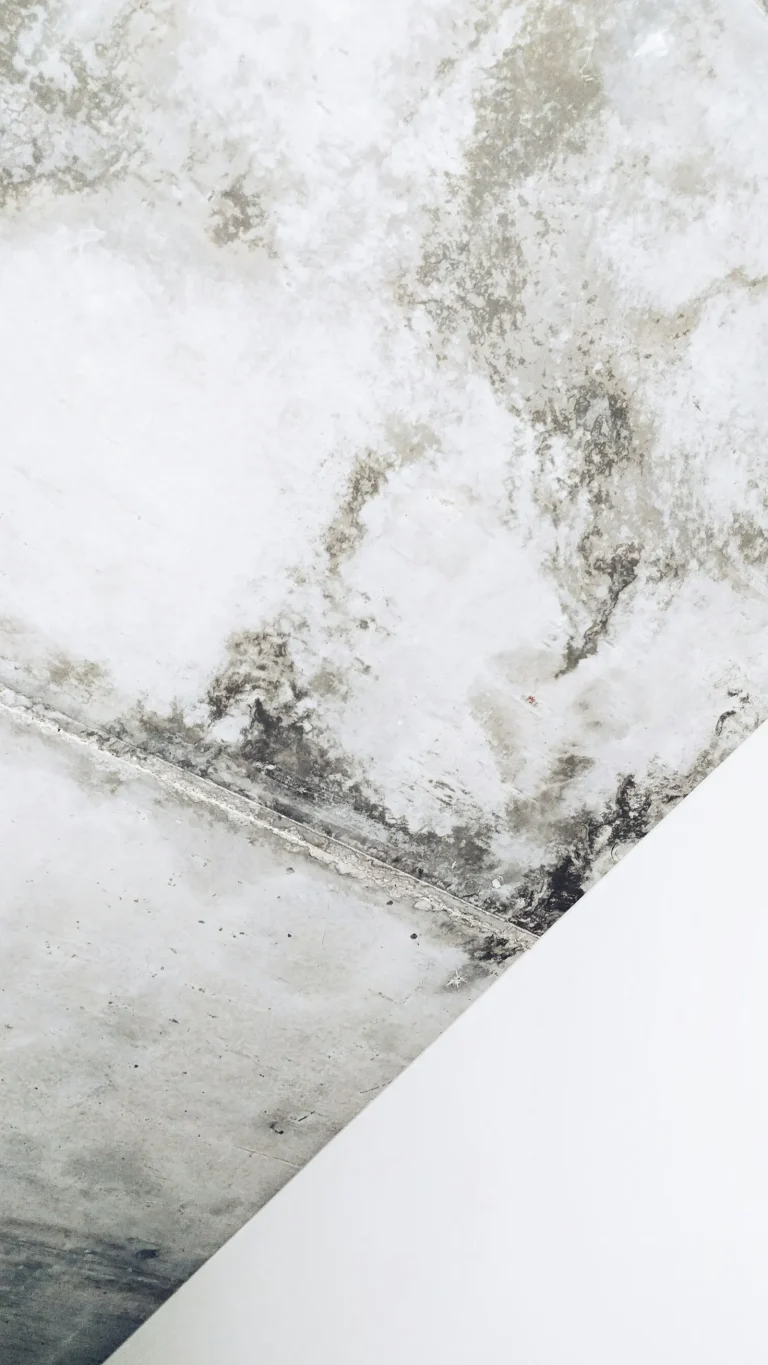
Black mould spots most often form on cold surfaces where condensation collects, such as ceiling junctions with external walls, room corners, bathrooms and kitchens. Localised growth with staining may instead point to penetrating damp or a leak. See our guide to black mould in the home for the common causes and warning signs.
Window reveals and external corners are often the coldest surfaces in a room, particularly where there is thermal bridging at lintels or trickle vents are closed or absent. Read more about mould around windows.
Furniture and cupboards against external walls restrict air movement, keeping the wall surface cold and the air behind it humid. Where mould is confined to one area, the surveyor will also consider whether a hidden defect or leak is contributing.
Where mould returns after cleaning, redecoration or mould-resistant paint, the moisture source or environmental conditions have probably not been addressed. Our report explains why earlier measures have not succeeded and what is needed to reduce the likelihood of recurrence.
The appropriate treatment for mould growth will depend upon the underlying cause, extent and severity of the affected area.
Remedial measures should be proportionate to the cause and extent of the defect, with adequate consideration given to occupant health, safe working practices and the prevention of recurrence. Simply applying mould-resistant paint or cleaning products without addressing the source of moisture is unlikely to provide a durable solution.
For a fuller explanation of the options, from short-term cleaning and ventilation measures to lasting building repairs, see our guide to damp and mould remedies.
An RICS Chartered Surveyor can provide an independent and professional assessment of damp and mould-related issues within residential property, helping to establish the underlying cause and identify appropriate remedial measures. Through a detailed inspection, we assess the building fabric, moisture levels, ventilation, heating provision, thermal performance and any visible defects that may be contributing to the problem. Where necessary, further investigation or specialist testing can be recommended to support the diagnosis.
We then provide clear, proportionate advice on the required remedial works, including prioritising matters that may present a risk to occupants’ health and wellbeing. In the context of Awaab’s Law, this professional input can help landlords and housing providers meet their statutory responsibilities by ensuring that damp and mould are properly investigated, appropriately recorded and effectively addressed. We look for the defect or condition that is causing the mould, so that the work we recommend stops it coming back.
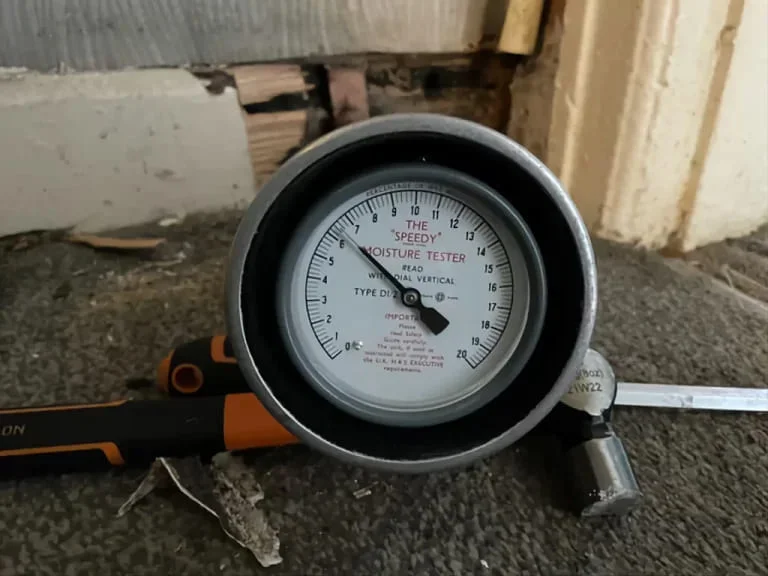
If you have noticed damp or mould, or have been quoted for damp-proofing, a damp and mould survey establishes the cause before you pay for any work. Where the concern is damp alone, our independent damp survey gives an impartial second opinion.
If a mortgage valuation or buyer’s survey has raised damp, a pre-purchase damp survey can clarify the cause and a proportionate remedy before you exchange contracts. Our guide to what to do when damp is found during a house purchase explains the options.
Private landlords are already bound by the Housing Health and Safety Rating System (HHSRS), section 11 of the Landlord and Tenant Act 1985 and the Homes (Fitness for Human Habitation) Act 2018. Our landlord damp and mould surveys diagnose the cause against the HHSRS damp and mould hazard, and our guide to landlord responsibility for damp and mould explains the obligations.
For housing associations and councils, our Awaab’s Law surveys support hazard investigations within the statutory timescales, and our damp and mould surveys for housing associations cover responsive, void and portfolio work.
Our damp and mould expert witness service provides independent CPR Part 35 reports for disrepair claims and other disputes, alongside our wider housing disrepair survey service.
For corporate landlords, investors and occupiers with several buildings, surveys across a portfolio can identify recurring causes and help prioritise repairs, with findings feeding into planned and preventative maintenance programmes.
You receive a written report, with photographs and readings, setting out the cause or causes, a risk rating and prioritised recommendations that separate immediate safety work from longer-term preventative measures. It can be shared with tenants, contractors, housing officers, insurers or solicitors. To see what to expect on the day, read what happens during a damp and mould survey.
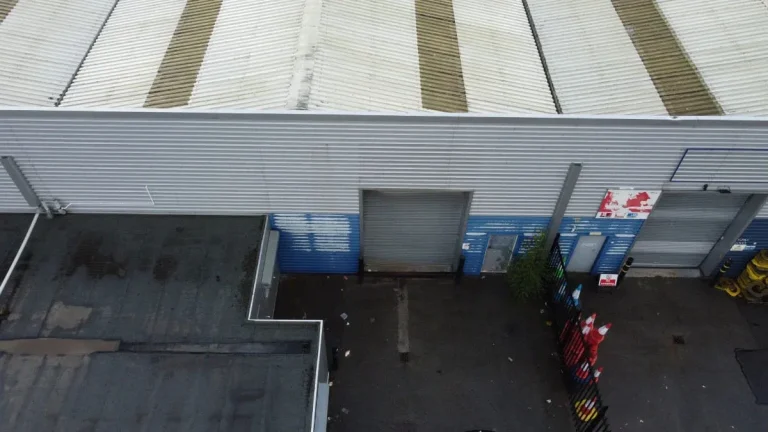
An internal and external inspection by an RICS Chartered Building Surveyor, with moisture, thermal imaging and environmental readings, plus calcium carbide testing, salt analysis, airflow analysis or a drone inspection of the roof where needed. The full list is set out above.
The fee depends on the size, type and location of the property and the testing required. We provide a free quotation, and the fee is confirmed in writing before we start.
For most standard property types, the inspection takes around one to two hours on site, depending on the size and condition of the property and the testing required. We will give you an indication when you book.
Yes. You receive a written report with photographs, readings, a risk rating and prioritised recommendations. We can also return after the works for a post-repair verification inspection.
A survey can establish whether rising damp is present or whether the symptoms have another cause. Moisture meter readings alone cannot prove it, so we also consider the pattern of dampness, salts, external ground levels and any damp-proof course, with calcium carbide testing where needed.
Yes. Many free “damp surveys” are carried out by companies that sell treatments. We diagnose the cause and recommend only the work that is needed.
That is one of its main aims. Recurring mould usually means the moisture source or environmental conditions have not been addressed, so we assess ventilation, heating, insulation, cold surfaces and building defects together. Mould species cannot be identified by sight: that requires sampling and laboratory analysis, and colour is not a reliable guide to species or toxicity. Where sampling is justified, we can arrange laboratory analysis through a specialist.
Yes. We inspect occupied homes, including tenanted properties for social landlords, private landlords and managing agents, and arrange access in advance.
For a free quotation, call 0151 374 0905 or email office@lansdownassociates.co.uk, Monday to Friday, 09:00 to 17:00. We usually respond within one working day.
We’ll use the details you give us to reply to your enquiry. Our Privacy Policy explains how we look after your information.