
A RICS Level 3 building survey is the most thorough survey available for a home. It is designed for older, larger, altered, unusual or run-down properties, and for buyers planning major works, and it gives you detailed advice on the condition of every accessible part of the building, the most likely causes of defects, the repairs needed and when they should be done. Lansdown Associates’ RICS Chartered (Building) Surveyors carry out Level 3 building surveys, often called a full building survey or structural survey, across London, Birmingham, Liverpool, Manchester, Leeds and Northern Ireland.

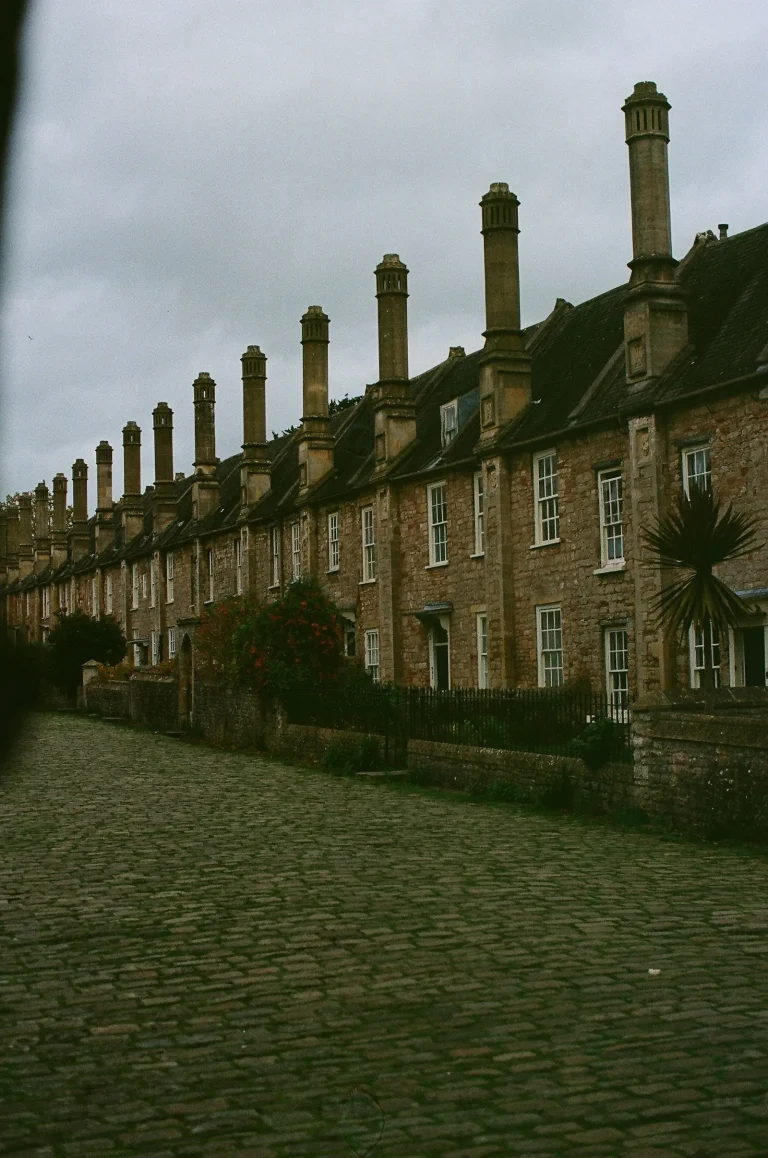
RICS recommends Level 3 for a large, older or run-down property, a building that is unusual or altered, or where you are planning major works. Our Level 3 clients typically fall into these groups:
For a conventional home in reasonable condition, a RICS Level 2 survey is usually proportionate. For a newer home in good order, see our RICS Level 1 survey.
Not sure which level you need? Read our Level 2 vs Level 3 survey guide, which compares the two in detail and explains which suits different ages, construction types and plans.
| Level 1 | Level 2 (survey only) | Level 3 | |
|---|---|---|---|
| Best suited to | Conventional, newer homes in good condition | Conventional homes in reasonable condition, simple in form | Older, larger, altered, unusual or run-down homes, or before major works |
| Roof space | Viewed from the access hatch | Entered and inspected where safe | Entered and inspected where safe, with insulation corners lifted to check type and thickness |
| Condition ratings (1, 2, 3) | Yes | Yes | Yes |
| Advice on repairs and maintenance | Not included | Included, concise | Detailed, with likely causes and timing of repairs |
| Risks to the building or people | Identified and listed | Listed and explained | Explained, with how to resolve or reduce them |
| Repair cost estimates | Not included | Not included | Where practicable and agreed |
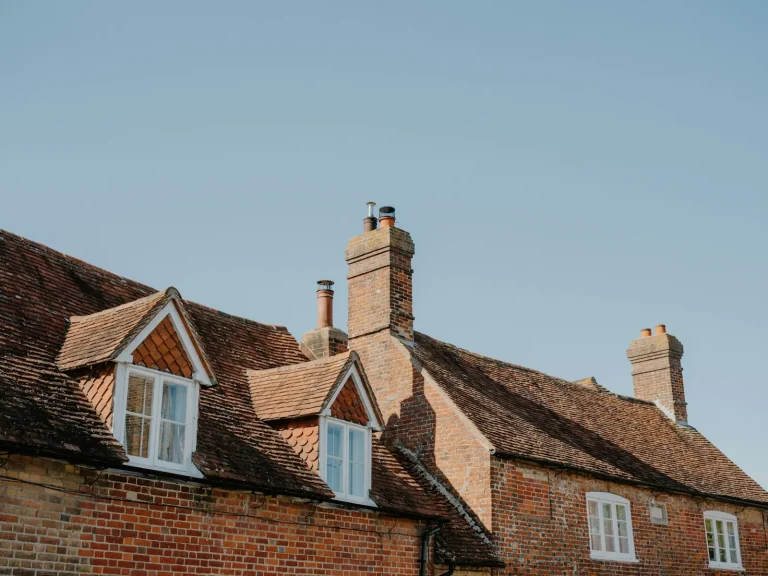
The surveyor carefully and thoroughly inspects the inside and outside of the main building and all permanent outbuildings, covering as much of the property as is physically accessible, and carries out a desk-top study and enquiries about matters affecting the property, including contamination and environmental risks.
The surveyor will not open up the fabric of the building, lift fitted floor coverings or move heavy furniture without the owner’s consent, or where there is a risk of injury or damage. Where access is limited, the report explains what could not be inspected and any further investigation required.

A Level 3 report is written to give you a detailed understanding of the property so you can make a reasoned decision about buying, repairing or upgrading it. For each main element you receive:
The report also explains risks to the building, grounds or people and how to resolve or reduce them, gives general advice and questions for your legal adviser if the property is leasehold, and lists documents your conveyancer should obtain.
Where practicable and agreed at the point of instruction, we provide estimated costs for identified repairs and necessary work. This helps you budget for the months after you move in and gives you firm ground to renegotiate the price or ask the seller to put things right.
I have an investment company that predominantly buys residential property in auction. We use Lansdown Associates to undertake pre-purchase surveys on every property we intend to buy. Most recently, John identified significant issues on a property in Anfield and saved us £180,000.00. We were literally about to buy until we read the report. We can’t thank him enough
Roberto Danglais, Manchester
Read more Lansdown Associates reviews.
We carry out RICS Level 3 building surveys in Liverpool, Manchester, Leeds, Birmingham, London and Northern Ireland.
It is the modern equivalent of what was commonly called a full structural survey. It covers the whole building, including the structure, but it is not a structural engineer’s calculation-based report. If the surveyor suspects significant structural issues, the report will recommend further investigation by a structural engineer.
When the property is older, large, extended, of unusual construction, listed or in poor repair, or when you plan significant works. The extra depth on causes, remedies and timing is usually where the value lies in these properties.
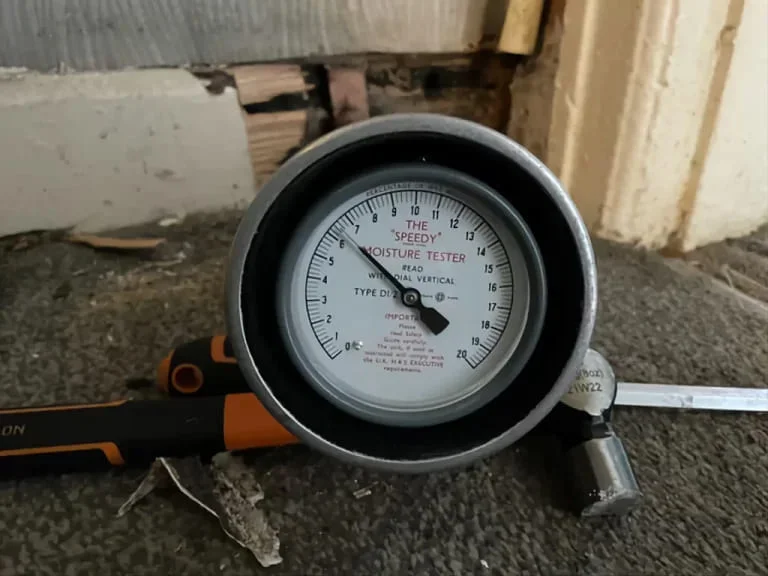
The surveyor checks for dampness using a moisture meter and visual evidence, and explains the likely cause and remedy. Where the cause needs more investigation, we can carry out an independent damp survey using more detailed testing.
No. A Level 3 building survey reports on condition, not market value. Your lender will usually arrange its own valuation.
Yes. Auction buyers are often committed at the fall of the hammer, so we recommend arranging the survey before the auction date. Get in touch as soon as you have the catalogue details.
Yes. RICS designs Level 3 to help owners plan repairs, maintenance and upgrading, not only to support a purchase.
Call 0151 374 0905 or email office@lansdownassociates.co.uk (Monday to Friday, 09:00–17:00). Tell us about the property and your plans, and we will confirm the scope, provide a free quotation and arrange the inspection.
We’ll use the details you give us to reply to your enquiry. Our Privacy Policy explains how we look after your information.