
Case studyHow we prepare a schedule of condition
This page explains how our RICS Chartered Surveyors prepare a schedule of condition, step by step, from your first enquiry to an agreed record annexed to the lease. A schedule of condition is a written and photographic record of a property’s condition at a fixed point in time. Prepared properly before a lease is signed, it can limit what a tenant is asked to put right when the lease ends, and it gives a landlord clear evidence of the condition in which the property was let.
It is easy to forget that a lease is a legally binding contract between two or more parties. Understanding your liability under its terms is essential to protecting your position and limiting your exposure to financial risk, so our process looks at the lease as closely as the building.
If you are new to the subject, start with our guide: what is a schedule of condition and who should get one.
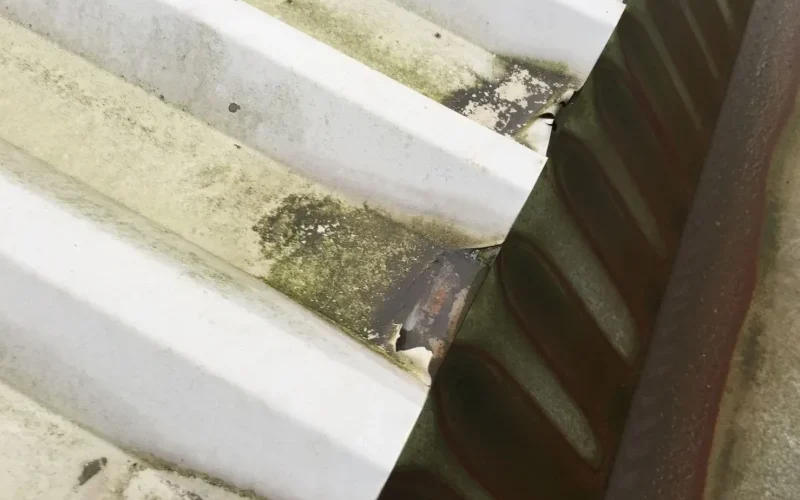
Our schedule of condition process
We follow the same six stages on every instruction:
- Instruction and scope
- Lease review
- Inspection
- Photographic record
- The written schedule
- Agreeing and annexing the schedule to the lease
1. Instruction and scope
Every instruction starts with a conversation about the property, the proposed lease and what you need the schedule to do. We then provide a free quotation, and we confirm the scope and fee in writing before any work begins.
Agreeing the scope at the outset avoids gaps later. It usually covers:
- the extent of the premises to be recorded, checked against the lease plan
- whether the roof, external walls, yards, car parking and boundaries are included
- whether building services are to be recorded
- who the schedule is for, and whether it will be shared with the other party
2. Lease review
We assess the lease documents in full, whether a draft lease or agreed heads of terms, to establish the contractual obligations of both parties. From a surveying perspective, the repairing, decorating and reinstatement obligations determine what the schedule needs to record, and in how much detail.
Reviewing the lease at this stage allows us to:
- identify potential maintenance liabilities
- clarify the repairing obligations set out in the lease
- support negotiation of more favourable lease terms where necessary
Where the property is to be let on a full repairing and insuring basis, the tenant’s obligations can be extensive. Our checklist for a full repairing and insuring lease sets out what to check before you sign. We advise on surveying matters; the legal drafting of the lease is for your solicitor.
3. Inspection
One of our RICS Chartered Surveyors attends site and carries out a thorough, systematic inspection of the demised premises. We work methodically, usually elevation by elevation outside and room by room inside, recording each element in turn: roofs, walls, windows, doors, floors, ceilings, finishes and fixtures.
A schedule can only record what the surveyor can see and reach. Any area that cannot be accessed is noted in the report as a limitation, so there is no doubt later about what was and was not inspected. Where high-level roofs or façades cannot be viewed safely from the ground, we can discuss whether a drone roof and façade inspection by one of our certified drone pilots should form part of the scope.
Our guide to preparing for a schedule of condition explains how to get the building ready for the inspection.
4. Photographic record
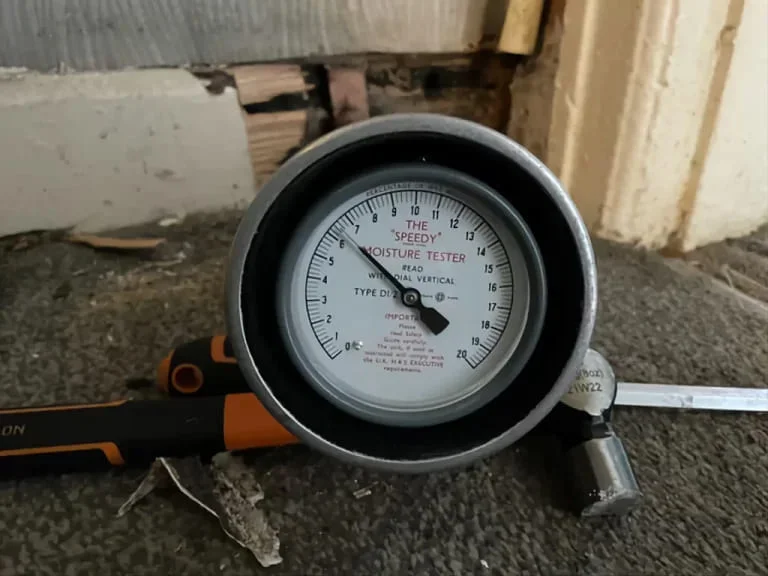
Photographs are central to a schedule of condition. We take dated photographs throughout the premises and reference each one to the written description it supports, so that a defect can be located and identified years later. Where it helps, instruments may be used to record details such as crack widths or moisture readings.
5. The written schedule
We then prepare a comprehensive written and photographic schedule of condition, evidencing all aspects of the demised premises. It is set out element by element and room by room, in a clear format that can be annexed to the lease.
The schedule is a factual record of condition, not a list of repairs or an opinion on what should be done. That objectivity is what makes it useful to both parties.
6. Agreeing and annexing the schedule to the lease
A schedule of condition carries most weight when both parties accept it. We recommend that:
- the landlord and tenant review the schedule and raise any comments while the condition of the premises is unchanged
- the agreed schedule is signed and annexed to the lease
- the repairing covenant refers to the schedule, for example by stating that the tenant is not required to put the property into better condition than that shown in it
Your solicitor should check the lease wording before completion. Once the lease is completed, keep signed copies with the lease for the whole term.
After the lease is signed
Our involvement does not have to end at completion. If questions arise about the schedule during the term, or when the lease ends, our team is on hand to help. At lease expiry, landlord and tenant can both rely on an agreed schedule as evidence in any dilapidations negotiation.
Why it matters
For tenants, a schedule of condition is a protective shield against inflated repair bills. For landlords, it provides clarity and helps avoid future disputes. For both parties, it builds trust and transparency, the foundations of any successful commercial tenancy.
Arrange a schedule of condition
If you are about to enter into a lease, or are discussing leasing a commercial property, do not leave anything to chance. Our RICS Chartered Surveyors can help you understand your obligations and protect your position with a professionally prepared schedule of condition survey. We work nationally from our offices in Liverpool, Manchester and London.
Call 0151 374 0905 or email office@lansdownassociates.co.uk (Monday to Friday, 09:00 to 17:00). Quotes are free, and we usually respond within one working day.