
Case studyDilapidations case study: £1.6m terminal claim settled for £320,000
In this dilapidations case study, our client, the tenant of a large industrial premises in Stoke-on-Trent, received a terminal schedule of dilapidations claiming £1,600,000. We reviewed the lease documents in detail, defended the claim and settled it for £320,000, a reduction of £1,280,000 (80%).
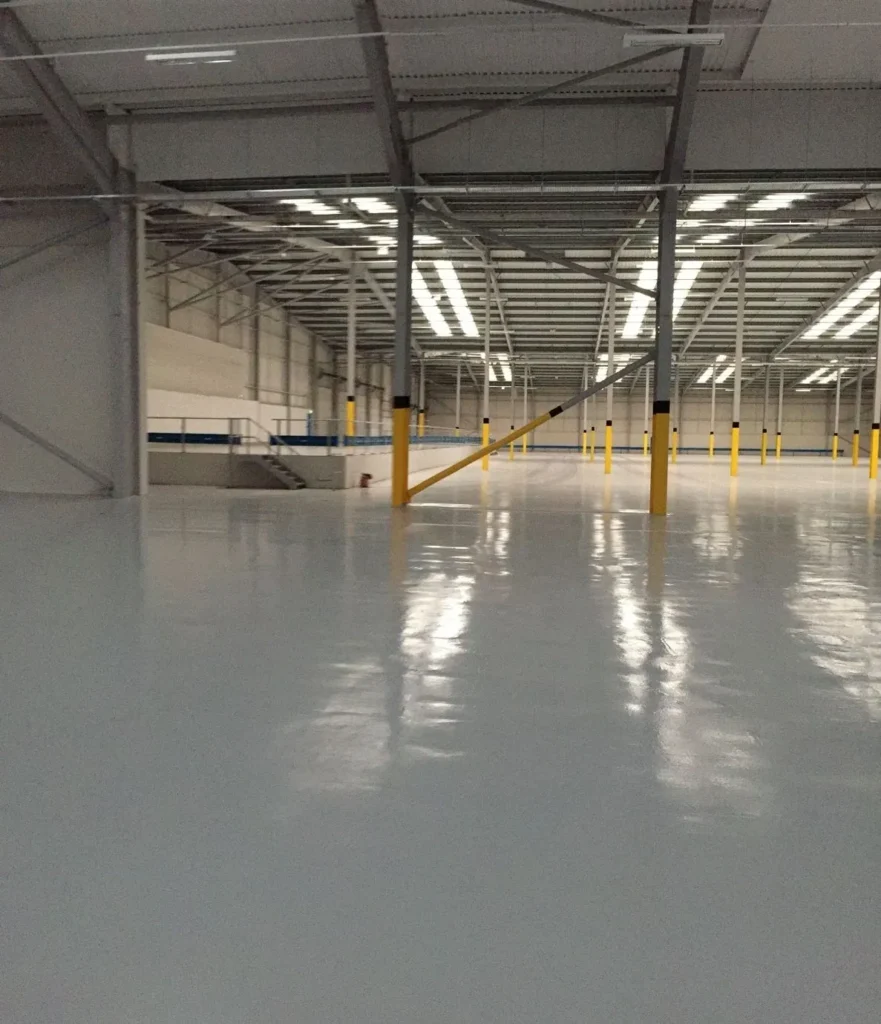
At a glance
| Detail | Summary |
|---|---|
| Client | Tenant |
| Property | Large industrial premises, Stoke-on-Trent |
| Claim | Terminal schedule of dilapidations |
| Amount claimed | £1,600,000 |
| Settlement | £320,000 |
| Reduction | £1,280,000 (80%) |
| Our role | Lease document assessment and negotiation of settlement |
| Lease | Full repairing and insuring (FRI) lease; schedule served before the lease ended |
The challenge
Dilapidations often come as a surprise to business owners and can quickly become a problem. More often than not, a landlord serves a schedule of dilapidations when you are least prepared to deal with it: when you are expanding operations, or when you are consolidating them.
Our client had told the landlord that they planned to move into a smaller unit, following changes in their client market and the introduction of hybrid working. Understandably, the landlord responded by issuing a terminal schedule of dilapidations. The amount claimed was £1,600,000.
A claim on that scale could have had a serious effect on the business at the very moment it was restructuring.
The premises were held on a full repairing and insuring (FRI) lease, and the landlord served the schedule of dilapidations before the lease had ended.
Our approach
We were instructed to assess the lease documents and to negotiate a settlement with the landlord.
Lease document review
We reviewed the lease documents to establish exactly what the tenant had agreed to do, and therefore which items in the schedule were genuine breaches of covenant.
Investigation and challenge
After a lengthy investigation, we prepared a defence on our client’s behalf that challenged the claim item by item.
The main ground of challenge was that both the scope of the works claimed and their cost were excessive.
Negotiation
We negotiated directly with the landlord to reach a settlement, avoiding the cost and uncertainty of litigation.
The claim followed the Dilapidations Protocol, including the landlord’s quantified demand, our response and meetings between the parties.
The outcome
The dilapidations claim was settled for £320,000, against the £1,600,000 originally claimed. That is a reduction of £1,280,000, or 80%, allowing our client to complete its move with a known, manageable cost.
Lessons for tenants
- Act early. The sooner a dilapidations surveyor sees the lease and the property, the more options you have, including carrying out some works yourself before the lease ends.
- Know your lease. A claim is only as strong as the covenants behind it. Every item should be tested against the lease wording.
- Be careful what you tell your landlord. Signalling a move is often what prompts a terminal schedule, so get advice before you give notice or announce plans.
- Do not accept the first figure. A schedule is the landlord’s opening position, not the final bill.
- Plan the cost. A dilapidations provision in your accounts avoids an unexpected hit when the lease ends.
If you are about to take a new lease, a schedule of condition survey is one of the best ways to limit your future liability. Our guide to FRI lease tenant protection explains the other safeguards available.
What our clients say
Read more Lansdown Associates reviews from tenants we have helped with dilapidations settlements.
Facing a dilapidations claim?
If you would like to talk about how we could help protect your business from a dilapidations claim, speak to our dilapidations surveyor team. Call 0151 374 0905 or email office@lansdownassociates.co.uk (Monday to Friday, 09:00 to 17:00).