
CommercialSchedule of condition survey
A schedule of condition survey is a detailed written and photographic record of a property’s condition at a fixed point in time. Lansdown Associates’ RICS Chartered Surveyors prepare schedules of condition for tenants, landlords and property owners, most often before a commercial lease is signed, so that everyone knows exactly what state the building was in from day one.
Done properly, it is one of the simplest ways to avoid an expensive dispute when the lease ends.
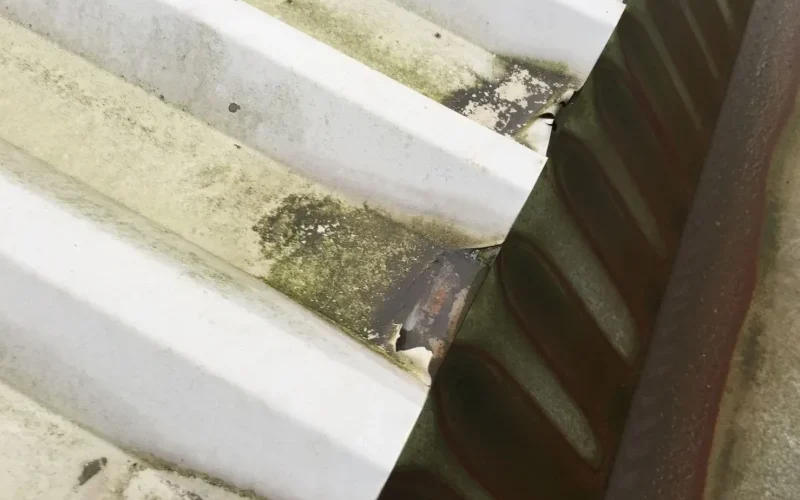
What our schedule of condition survey records
A schedule of condition records the condition of the premises, including existing defects, wear and damage, before any legal agreement is made or any work begins. It sets a baseline that future repairs, maintenance or disputes can be measured against.
If you would like a fuller explanation of the document itself, read our guide: what is a schedule of condition and who should get one.
Who needs a schedule of condition?
Tenants taking a commercial lease
Many commercial leases, particularly full repairing and insuring (FRI) leases, can require a tenant to hand the property back in good repair, even if it was in poor condition when they moved in. A schedule of condition, referred to in the lease, can limit that obligation to the condition recorded at the start. For tenants, it is a protective shield against inflated repair bills later.
Landlords
A schedule gives landlords clarity about the condition in which the property was let and helps to avoid arguments at lease end. It is also useful evidence if a tenant’s alterations or use cause damage during the term.
Owners and neighbours before building work
Where building works are planned next to a property, a schedule of condition records the condition beforehand. That record can help to avoid, or settle, disagreements with neighbours if damage is alleged later. Please note that we do not act as party wall surveyors; our role is to record the condition of the property.
When should you arrange one?
- Before signing a lease. This is the most important time. Once the lease is signed without a schedule, it is much harder to limit your repairing liability.
- Before a lease renewal or assignment. A new lease or a change of tenant is a chance to record the current condition.
- Before dilapidations negotiations. A tenant whose lease is ending can use an existing schedule as evidence to limit liability; landlords can use it to show the property has not been returned as agreed.
- Before neighbouring works begin. Record the condition before any excavation, demolition or construction starts nearby.
What is included
Each survey is tailored to the property and to why you need it. A typical schedule of condition includes:
- A review of the draft lease or heads of terms, where relevant, so the schedule matches the repairing obligations
- A systematic inspection of the accessible parts of the property, internally and externally
- Room-by-room and element-by-element descriptions of condition: roofs, walls, windows, floors, ceilings, finishes, doors and fixtures
- Dated, referenced photographs cross-referenced to the written descriptions
- A clear format that can be annexed to the lease and agreed by both parties
Our process
- Initial consultation. We discuss your requirements, the property and the lease, and provide a free quote. We confirm the scope and fee in writing before we start.
- Lease review. Where a lease is involved, we review the documents to establish the contractual obligations of both parties.
- Property inspection. One of our RICS Chartered Surveyors inspects the property and records the condition of all significant areas.
- Written and photographic report. You receive a clear, detailed schedule supported by photographs, ready to be shared with the other party and attached to the lease.
- Follow-up support. If questions arise about the schedule during or at the end of the lease, our team is on hand to help.
Our page on how we prepare a schedule of condition explains each step in more detail, from the lease review to annexing the agreed schedule to the lease.
To get the most from the inspection, see our guide to preparing for a schedule of condition, which covers access, clearing areas and paperwork.
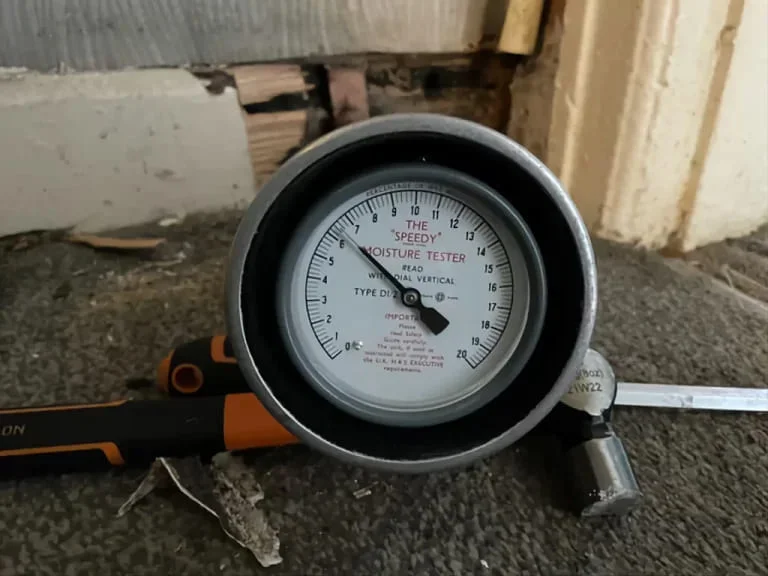
Your report and how to use it
The schedule is only as useful as the lease wording that relies on it. For it to protect a tenant, the lease should state that the tenant is not required to put the property into better condition than that shown in the schedule, and the schedule should be agreed and attached to the lease. We recommend your solicitor confirms this wording before completion.
Keep a copy safe for the whole lease term. When the lease ends, it is one of the main pieces of evidence in any dilapidations discussion.

Why choose Lansdown Associates
- Our schedules are prepared by RICS Chartered (Building) Surveyors and meet RICS professional standards.
- We act on dilapidations claims for landlords and tenants, so we know which details matter when a lease ends.
- Each entry has a clear written description and photographs, so both parties can see exactly what was recorded.
- We can also help with property questions later in the lease, for example repairs, alterations or a planned exit.
Areas we cover
We have offices in Liverpool (Rodney Chambers, 40 Rodney Street, L1 9AA, and Estuary Business Park, L24 8RL), Manchester (Peter House, Oxford Street, M1 5AN) and London (85 Great Portland Street, W1W 7LT), and carry out schedule of condition surveys nationally, including London, Birmingham, Liverpool, Manchester, Leeds and Northern Ireland.

Related services and guides
- Dilapidations surveyor – schedules, responses and negotiation at lease end.
- Technical due diligence survey – a deeper technical review before you buy or lease.
- Planned preventative maintenance survey – plan repairs during the lease.
- Guide: full repairing and insuring lease – what to check before signing.
- Guide: FRI lease tenant protection – how to protect your business.
Schedule of condition FAQs
Who pays for a schedule of condition?
It is usually commissioned and paid for by the party who benefits most, often the incoming tenant. The cost can form part of lease negotiations. Our fee depends on the property and the scope, and we provide a free quotation, confirmed in writing before we start.
Does the landlord have to agree the schedule?
For a schedule to limit a tenant’s repairing obligations, it should be agreed by both parties and referred to in the lease. An unagreed schedule may still be useful evidence, but it carries less weight.
Can a schedule of condition be prepared after I have moved in?
Yes, but it gives much better protection if it is prepared before you move in. A later schedule can still record the condition at that date, but it cannot show what the property was like when the lease began.
How detailed are the photographs?
We take dated photographs throughout the property and reference them to the written descriptions, so each defect can be located and identified later.
Is a schedule of condition the same as a building survey?
No. A schedule of condition records the condition as it is, to set a baseline for a lease or works. An RICS Level 3 building survey analyses defects, causes and remedies to help you decide whether to buy.
Book a schedule of condition survey
Signing a lease or planning works nearby? Call 0151 374 0905 or email office@lansdownassociates.co.uk (Monday to Friday, 09:00 to 17:00) to discuss your requirements.